Why Plumbing Quotes Go Cold (And the Follow-Up That Recovers Them)
The short version
Roughly 50-70% of high-ticket plumbing quotes — water heaters, repipes, bathroom remodels — go cold without follow-up. The homeowner didn't choose a competitor; they froze on the number or got distracted. A three-step sequence at days 3, 7, and 14 plus a dormant reactivation at day 60 recovers 15-20% of lost estimates.
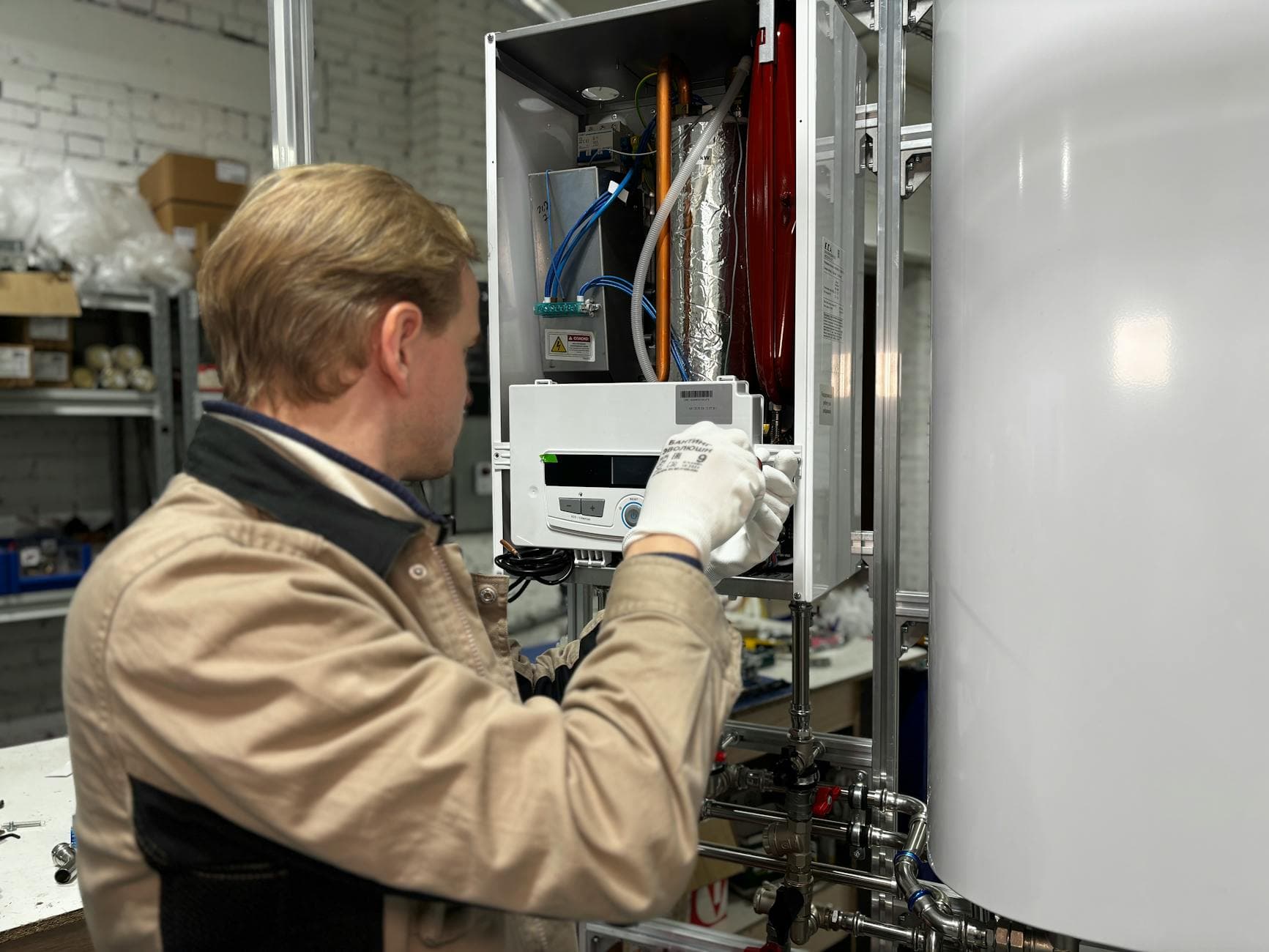
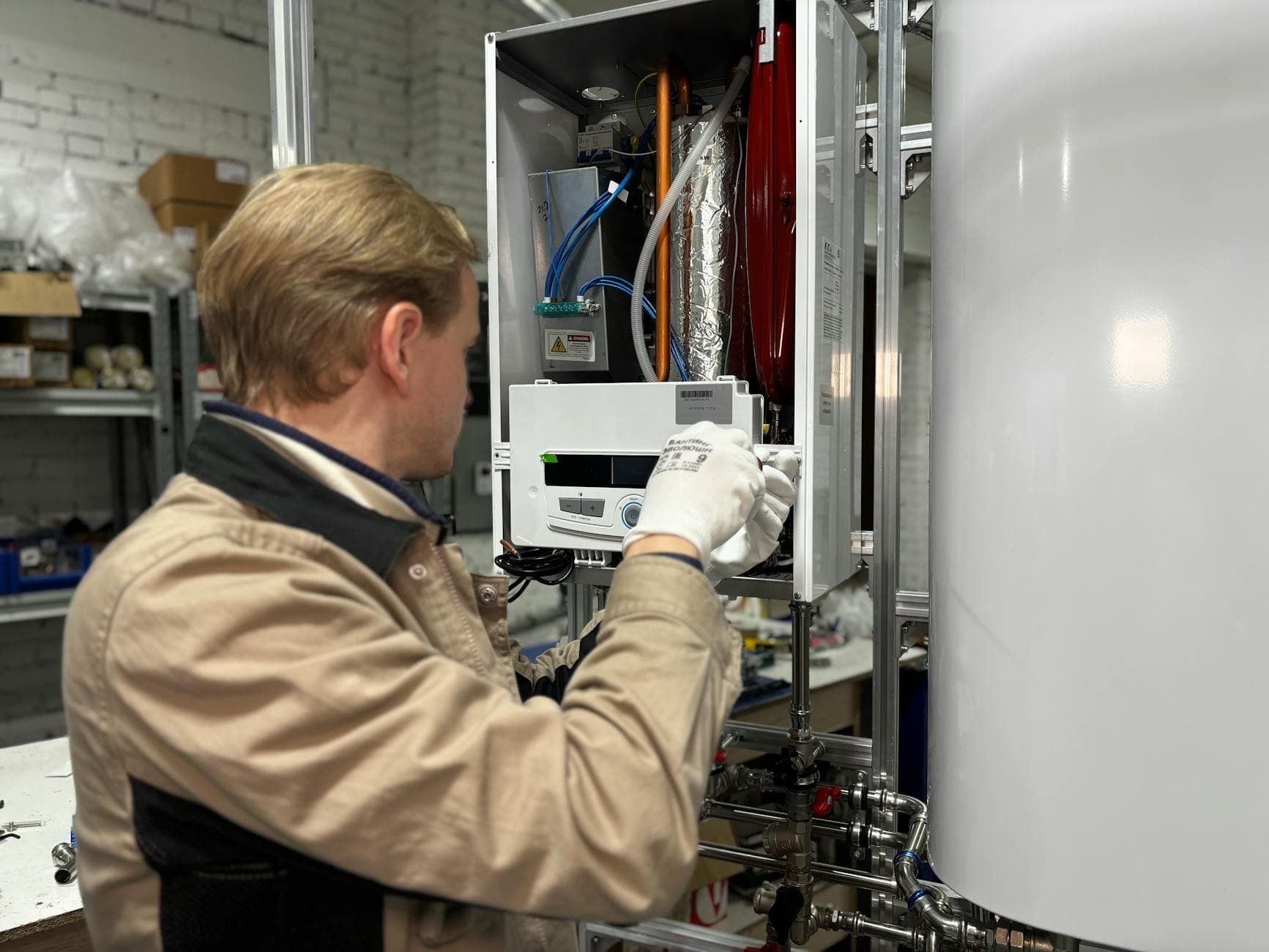
A homeowner's water heater is 14 years old. It's making a popping sound. The bottom is starting to rust. They call you for a quote. You inspect it, recommend a 50-gallon Bradford White, and present a $3,200 estimate. The homeowner says "let me talk to my wife."
That was three weeks ago. The water heater is still making the popping sound. The homeowner has adjusted to it — they turn up the TV when it kicks on. Your estimate is in a kitchen drawer under a stack of school papers. The urgency that prompted the call has been managed around.
Without follow-up, this quote dies. Not because the homeowner chose someone else. Because they chose nothing.
Why plumbing quotes go cold
High-ticket plumbing work shares a psychology with HVAC and electrical: the customer knows they need it but can postpone it because the current system still technically functions.
A water heater that's 14 years old and rusty still produces hot water. A galvanized pipe system with low pressure still delivers water to every faucet. A sewer line with root intrusion still drains — just slowly. Each of these problems has a moment of peak urgency (the rusty water, the pressure drop, the slow drain) that prompted the quote. Then the urgency fades.
The customer adjusts. They use less hot water. They tolerate the pressure. They plunge the drain. Your quote sits.
The follow-up catches customers during this fade period — after the urgency dropped but before the quote went fully dormant.
The three-step sequence
Day 3 — soft check-in. "Hi Mike, wanted to follow up on the water heater estimate. Any questions about the unit options or the install timeline? Happy to walk through the details."
This catches customers who have a specific question — "does the Bradford White come with a longer warranty?" or "can you do the install on a Saturday?" — that's blocking the yes.
Day 7 — value layer. Two angles work for plumbing:
Financing: "Quick note — we offer financing on projects over $3,000. Breaks the $3,200 into about $90/month. Let me know if that changes anything."
Urgency (for aging systems): "Just a heads up — water heaters that are making popping sounds usually have sediment buildup that's stressing the tank. The risk isn't just inefficiency — it's eventual tank failure, which means a flood. Getting ahead of it now is cheaper than dealing with the cleanup after."
Day 14 — decision check. "Hey Sarah — checking if the water heater project is still on your radar or if it's moved to the back burner. Either way is fine — just want to make sure I'm not filling your inbox."
Day 60 — dormant reactivation. Email (not text): "Hey Mike — circling back on the water heater estimate from a couple months ago. If the system's still holding up, no rush — but if you've been thinking about it, I'm happy to refresh the numbers."
The repipe — extended sequence
Whole-home repipes ($8,000-18,000) have the longest decision cycle in residential plumbing. The customer is processing the scope (every wall gets opened), the cost (comparable to a used car), and the disruption (no water for days).
Use the 8-step extended sequence over 30 days: days 3, 7, 10, 14, 18, 21, 25, 30. Alternate between check-ins, urgency (pipe condition worsening), financing, and social proof. Dormant reactivation at days 60 and 90.
The math
A plumbing shop quoting $40,000/month in water heaters, repipes, and major repairs loses $20,000-28,000/month to cold quotes. Recovering 15-20% with a systematic follow-up sequence adds $3,000-5,600/month — $36,000-67,200 annually.
One recovered water heater per month at $3,200 = $38,400/year. The follow-up system at $15/month costs $180/year.
Building the system
Trikkl for plumbers runs the standard follow-up sequence (days 3, 7, 14, 60) and the extended sequence for high-value quotes, with the configurable financing line and trade-appropriate messaging. At $15/month, it handles the follow-ups that a busy plumber can't maintain between emergency calls and scheduled installs.
The plumbers closing the most high-ticket work aren't better salespeople. They're the ones who show up twice — once with the estimate, and again with the follow-up that catches the customer during the fade.
Written by Jordan Hayes, Trikkl. Updated May 2026. More for plumbers: how to get more Google reviews and the plumber's customer retention playbook.
Frequently asked questions
How many plumbing quotes go cold without follow-up?+
Fifty to seventy percent for high-ticket work like water heaters, repipes, and bathroom rough-ins. The customer requested the quote during a moment of urgency, then the urgency faded and life took over.
When should I send the first follow-up on a plumbing quote?+
Day 3. The customer has had time to review the estimate and possibly collect a competing quote. Earlier feels pushy for plumbing work. Later lets the urgency fade further.
What should a plumbing quote follow-up text say?+
Reference the specific job and offer to answer questions. 'Hi Mike, wanted to follow up on the water heater estimate. Any questions about the unit options or the install timeline? Happy to walk through the details.'
Should I mention financing on plumbing quotes?+
For quotes over $3,000, yes — in the day-7 follow-up. 'We offer financing on projects over $3,000 if that helps with the timing.' Water heaters, repipes, and sewer line replacements all benefit from the financing mention.
How many follow-ups should I send on a plumbing quote?+
Three active follow-ups at days 3, 7, and 14, then one dormant reactivation at day 60. For repipe quotes ($8,000+), extend to the 8-step sequence over 30 days.
What's the most commonly ghosted plumbing quote?+
Water heater replacement. The old water heater still technically works — it's just old, inefficient, or making noise. Without acute failure, the $2,500-4,500 replacement quote sits because the urgency isn't immediate.

Written by
Jordan HayesField Operations Lead, Trikkl
Jordan spent eight years running a 12-truck landscaping company in the Pacific Northwest before joining Trikkl to help build tools for crews just like the one he used to run. He writes about the operational systems that separate growing lawn care businesses from stuck ones.